
Your 40s Are Not a Crisis – They’re a Creative Rebirth!
This isn’t a midlife crisis. It’s a recalibration of power, purpose, and self. What if your 40s are not the end of something? But the first time you finally choose yourself?

Let me start by addressing the elephant in the room: Small talk DOES have a bad reputation. People think it’s fake, shallow, or exhausting. But what if I tell you, the real secret is this: introverts may be better at it than anyone else? For many introverts, the idea of networking or starting a conversation can feel exhausting. But mastering small talk can open doors to genuine relationships, career opportunities, and self-confidence, especially when you approach it in an introvert-friendly way. So let me break it down how introverts already have a natural advantage when it comes to small talk. Quick hint: They just need to polish and access what’s already there!
Why Introverts are Naturally Good at Small Talk?
Contrary to popular belief, introverts can excel at small talk when they lean into their natural strengths. Here’s why:
A Step-by-Step Guide on How to Start the Small Talk:
1. Prepare a little, it makes small talk easier: Introverts thrive when they feel prepared and comfortable, especially in social settings. A few practical strategies:
2. Build a conversation starter toolkit that reduces anxiety and makes you feel more confident and relaxed like:
3. Use light, neutral topics: When initiating small talk at work, conferences, or social events, start with: surroundings, food, music, weather, basically anything shared. This avoids pressure and allows the conversation to open naturally.
4. Set realistic goals: Give yourself permission to aim small, like “I will have one meaningful conversation today”. This mindset reduces overwhelm and supports introverted energy.
Let’s look at the second half of the art of having small talk: maintaining the conversation flow and replying smartly:
1. Lead with warmth, not performance: Your body language, smile, and eye contact often speak before words do. You don’t need to be loud, just open and pleasant.
2. Ask open-ended questions: The most powerful small talk skills are based on curiosity: “How did you get into your field?”, “What do you love doing outside work?” Introverts shine when they’re curious, and curiosity is what creates real connection.
3. Use active listening: People remember how you made them feel. Nod, reflect, paraphrase: “That sounds interesting, tell me more.” This is not faking, it’s genuine engagement.
4. Share a little about yourself: A small personal detail like a hobby, a recent movie you watched or the story of your recent travel experience goes a long way. You don’t have to overshare, just enough to make it human and balanced.
5. Know how to exit gracefully: A polite exit line keeps things comfortable, something like: “It was lovely talking to you. I’m going to mingle for a bit, enjoy the evening!” Ending well is as important as starting well.
In conclusion, if you’ve been sidestepping small talk because you don’t feel “extroverted enough”, take a breath and a pause. Small talk isn’t about saying more. It’s about connecting better. If you’re an introvert, you already have the essentials: depth, empathy, listening, and that calm presence everyone gravitates toward. These are the real foundations of meaningful communication. When you stop trying to be someone else and let conversations unfold your way, small talk becomes natural, genuine, enjoyable, and surprisingly powerful.

This isn’t a midlife crisis. It’s a recalibration of power, purpose, and self. What if your 40s are not the end of something? But the first time you finally choose yourself?

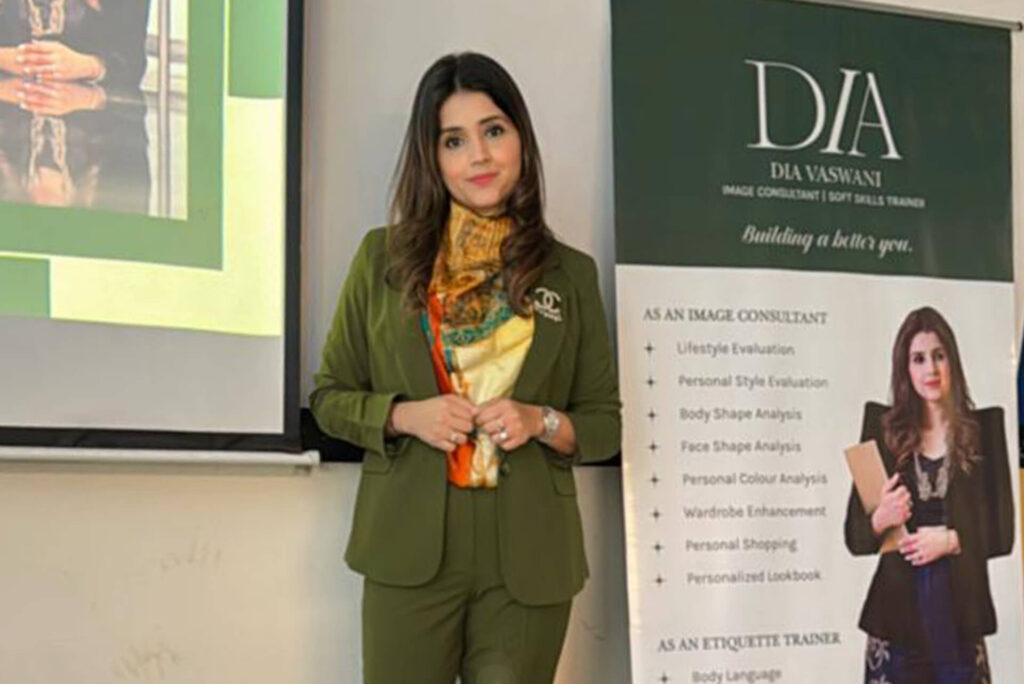
Trends come and go. But personal style stays. So if your closet is overflowing and yet you feel like you have nothing to wear, read on.

Being quiet costs you opportunities. Being aggressive costs you trust. Here’s the middle ground. The most influential people aren’t the loudest in the room.
They’ve mastered the art of assertive communication.